Tourist Attractions · BROKOPONDO / AFOBAKA DAM BRANCH
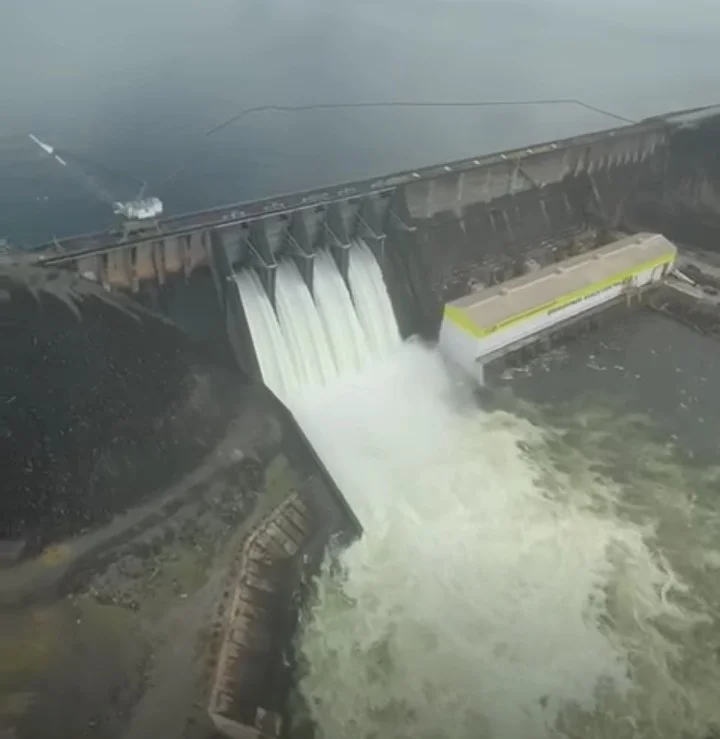
Afobaka Dam
BROKOPONDO / AFOBAKA DAM BRANCH
Hydroelectric dam forming the Brokopondo Reservoir. Treat as an infrastructure landmark; entry to operating facilities is not assumed. Address / area: Afobaka, Brokopondo
Local rules
Do not enter restricted power-generation areas without authorization. Stay off dam structures, control facilities, and operational zones unless granted permission. Follow security instructions issued by dam operators or security personnel. Fishing and boating may require local permission depending on the area. Do not litter; respect the reservoir and surrounding forest. Drone operations may require permission near critical infrastructure. Avoid swimming near spillways, turbines, intake structures, and discharge channels due to dangerous currents. These are standard safety practices around hydroelectric infrastructure and reservoir areas. The dam remains an operational hydroelectric facility.
Nearest help
Police - Brokopondo town / regional police posts Medical Assistance - Regional clinics in Brokopondo and Brownsweg Emergency Evacuation - Afobaka Airstrip Accommodation & Assistance - Afobaka Resort staff can assist visitors with local information and emergencies The airstrip is located very close to the dam area and supports emergency access to the region.
Last verified 2026-09-16 · version 2
Confirm the exact meeting point with your operator.
- Coordinates
- 4.982356, -54.992461
Save essential contacts before departure. Agree who checks your arrival and how to communicate if mobile reception is lost.
Safety protocols to read before you travel
A01Guided activitiesUse a guide who knows the route and explains the safety arrangements.
Choose a guide through an established operator and ask about route experience, training, equipment and emergency arrangements. Follow the safety briefing, stay with the group and do not undertake an unfamiliar activity alone. Stop when conditions become unsafe.
Version 1 · Reviewed 2026-12-15 · Source SCSD project Revised Deliverable 2 and Workshop 1 protocol guidance
A02Jungle excursionsStay on known trails, share the route and carry essential supplies.
Stay on marked or known trails, tell someone the intended route and carry water, communications and a basic first-aid kit. Avoid excursions during severe weather.
Version 2 · Reviewed 2026-12-15 · Source Rev. - DELIVERABLE 2 REPORT - Tourism Awareness&Saferty SCSD project.docx, section 3.3; draft pending TCT/PIU approval
A03Water recreation and river hazardsCheck physical hazards and fresh-water health risks before an activity.
Ask the guide about currents, rocks, water levels and safe access before any water activity. Wear suitable flotation equipment for boating. Do not dive into unfamiliar water or enter rapids to swim or bathe, and keep children under close supervision. CDC advises avoiding swimming in unchlorinated rivers, lakes and ponds in Suriname because fresh water can carry infections. A locally designated swimming spot does not establish water quality.
Version 1 · Reviewed 2026-12-15 · Source SCSD project Revised Deliverable 2 and Workshop 1 protocol guidance; https://wwwnc.cdc.gov/travel/destinations/traveler/none/suriname
A04Wildlife awarenessDo not approach or feed wildlife; report dangerous sightings.
Do not approach or feed wildlife and do not handle unknown plants or animals. Keep a safe distance and report dangerous wildlife sightings to the guide or responsible local contact.
Version 1 · Reviewed 2026-12-15 · Source Rev. - DELIVERABLE 2 REPORT - Tourism Awareness&Saferty SCSD project.docx, section 3.3; draft pending TCT/PIU approval