Resorts · EXTENSION — farther upriver beyond Botopasi/Dan; not part of the road corridor
Apiapaati island resort
EXTENSION — farther upriver beyond Botopasi/Dan; not part of the road corridor
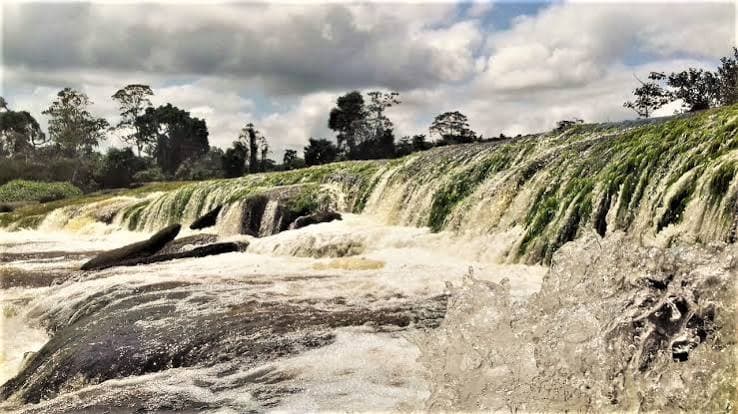
Apiapaati is described as a green island lodge built in the Saramaka tradition, with palm-leaf-style huts and a strong connection to local family and village life. The lodge is located opposite Granseei/Gran Slee and provides access to river scenery, rapids, waterfalls, jungle trails and nearby Saramaka communities. Address / area: Goddo / Tapawatra area, Boven Suriname, Sipaliwini, Suriname
Local rules
Travel access: Travel to Atjoni, where the road network ends for this route. Continue by an authorized local korjaal with an experienced captain. Travel time from Atjoni is commonly about three hours but may be longer in the dry season or at low water. Protect baggage, phones, passports and medication in waterproof bags. Carry cash in small SRD denominations for local purchases. Bring a flashlight/headlamp, insect repellent, sunscreen, rain gear, drinking water, personal medicines and a first-aid kit. Carry identification; visitors may be asked to show a passport or identity document at a control point. Do not travel independently at night on the river. Cultural protocol: Apiapaati is connected to Saramaka communities. Follow the lodge guide and village authorities: Ask permission before entering a village or community-managed area. Ask before photographing or filming residents, elders, children, homes, ceremonies or sacred objects. Do not enter sacred places, burial areas, private yards or restricted forest areas without permission. Dress modestly in villages and follow local instructions regarding swimming and clothing. Respect village quiet periods, ceremonies, religious practices and community meetings. Do not remove plants, artefacts, timber, cultural objects or wildlife. Obtain permission for drones, commercial filming, research, surveys, interviews or mapping. Buy souvenirs directly from local residents only where the guide confirms that sales are appropriate. Follow the captain’s and guide’s instructions near rapids and waterfalls. Water and activity safety: Wear a life jacket during boat travel, rapids activities and rafting. Do not swim in river currents without a guide’s explicit approval. Do not jump into rapids during high water, flooding or poor visibility. Follow the operator’s seasonal restrictions; one published itinerary states that Gran Dan activities and jumping are cancelled when water is too high. Do not swim alone or after drinking alcohol. Keep hands and feet inside the boat near submerged trees, rocks and rapids. Wear closed shoes with good grip for jungle and village walks. Use a headlamp for night walks and movement around the lodge. Carry rain protection and waterproof storage because sudden rain is common in the interior. Recommended pre-arrival confirmation Before booking, confirm in writing: Exact lodge coordinates and boat landing point. Current direct contact and backup contact. Booking name, payment instructions and cancellation policy. Boat departure point at Atjoni. Boat type, passenger capacity and life-jacket availability. Whether meals, drinking water, bedding, mosquito nets and towels are included. Current water level and expected travel time. Swimming, rafting, waterfall and village-visit restrictions. Current medical-post and evacuation arrangements. Community permissions for photography, drones, research or commercial work.
Nearest help
Apiapaati is remote. There is no confirmed hospital, ambulance station, fire station, police post, or permanent rescue service on the island. Police emergency, 115 Fire emergency, 110 Medical emergency, 113 Private ambulance, 117, where available Nearest identified medical post on tour route, Djumu medical post Medical Mission general office, +597 499-466; info@medischezending.sr Local first response, Resort staff, boat captain, guide and village contacts Evacuation, Pre-arranged boat to Atjoni or medical post, followed by road transfer Definitive hospital treatment, Usually requires transfer toward Paramaribo A published Apiapaati itinerary identifies a medical post at Djumu, reached by boat during excursions from the lodge. Its exact current staffing and emergency capability should be confirmed before departure. National emergency contacts in Suriname are 115 for police, 110 for fire, and 113 for emergency medical care. Before arrival, require the operator to provide: Boat captain’s name and phone number. Backup boat contact. Exact Apiapaati dock coordinates. Medical post and evacuation route. Radio, satellite-phone, or alternate communication plan. Expected travel time to Atjoni. Weather and water-level contingency plan. Emergency procedure for a night evacuation.
Last verified 2026-09-16 · version 2
Confirm the exact meeting point with your operator.
- Coordinates
- 4.026936, -55.462943
- Contact
- +597 421157 or +597 8516218
Save essential contacts before departure. Agree who checks your arrival and how to communicate if mobile reception is lost.
Safety protocols for this kind of place
G02Your first minutes at a lodgeAsk for a short safety briefing when you arrive, even if you have stayed in the area before.
Ask for a short safety briefing when you arrive, even if you have stayed in the area before. A few clear questions help you find the right person and route if something happens.
- Who can you contact during the day and at night? Save the number and learn where to find that person.
- Where are the exits, meeting point, first aid supplies and fire extinguishers? Walk the route from your room while it is light.
- Which paths, riverbanks or jetties should guests avoid, especially after dark or rain?
- Which water is provided for drinking? Where can you wash your hands and refill safe drinking water?
- Where is the relevant clinic, and how would the lodge arrange transport if medical help is needed?
Tell the host about assistance you may need and any serious allergy relevant to your stay. Keep a torch within reach, keep the exit route clear, and secure valuables. Follow the property's mosquito protection and food hygiene advice. Before leaving on an excursion, tell the host your plan and expected return.
Version 1 · Reviewed 2026-12-15 · Source SCSD_Tourism_Safety_Project_Knowledge_Pack/02_DELIVERABLES_AND_REPORTS/Rev. - DELIVERABLE 2 REPORT - Tourism Awareness&Saferty SCSD project.docx | SCSD_Tourism_Safety_Project_Knowledge_Pack/03_SAFE_GUIDE_WORKSHOP_AND_TRAINING/SCSD_Safe_Guide_Workshop_1_FI
S01Accommodation safety briefingBrief guests on exits, assembly points, fire equipment and local hazards.
Visitor On arrival, explain emergency exits, assembly points, fire equipment, first-aid supplies, emergency contacts and relevant river or wildlife hazards. Guests should know who to contact at the property.
Version 2 · Reviewed 2026-12-15 · Source Rev. - DELIVERABLE 2 REPORT - Tourism Awareness&Saferty SCSD project.docx, section 3.3; draft pending TCT/PIU approval
S02Health and medical preparednessCarry personal medicines and agree how to reach medical care.
Carry your required personal medicines. Tell the host only the essential health information needed to assist you safely. Ask which clinic is relevant to your destination, how to contact it and how transport would be arranged. Keep your insurer’s assistance details accessible.
Version 1 · Reviewed 2026-12-15 · Source SCSD project Revised Deliverable 2 and Workshop 1 protocol guidance; https://www.medischezending.sr/contact/
S03Safe drinking waterUse treated or bottled water when advised.
Use treated or bottled drinking water when advised. Avoid untreated river water and ask the host which water source is safe for drinking.
Version 1 · Reviewed 2026-12-15 · Source Rev. - DELIVERABLE 2 REPORT - Tourism Awareness&Saferty SCSD project.docx, section 3.3; draft pending TCT/PIU approval